
Paint Protection
How to Remove Water Spots from Your Car
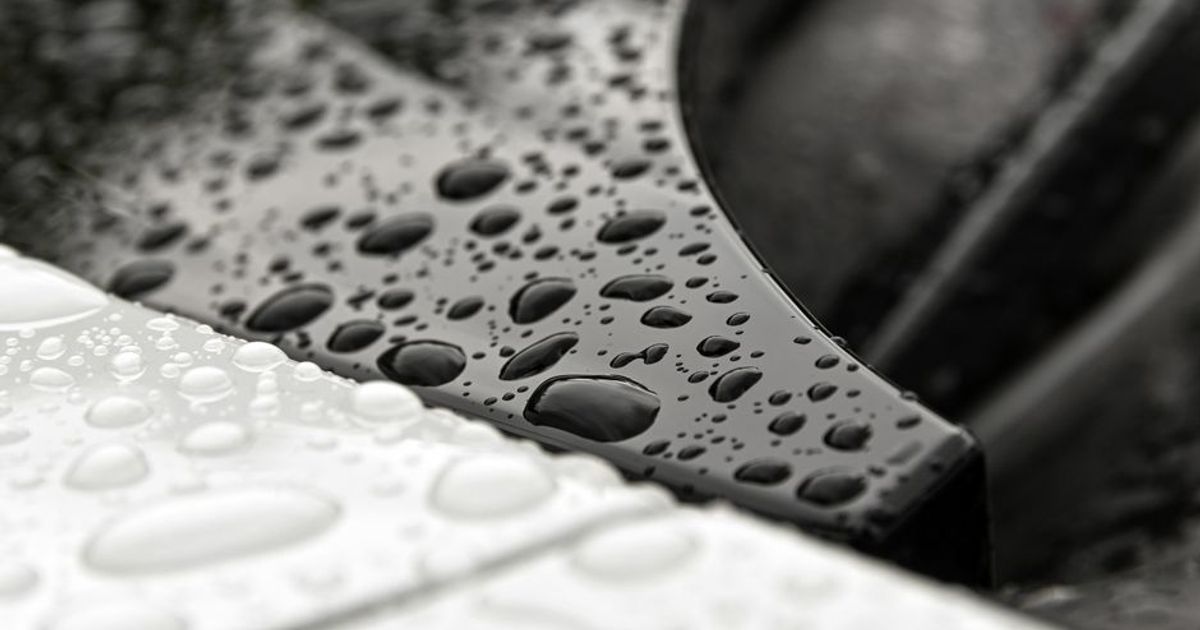
To remove water spots from a car, start with the gentlest fix that works: wash the panel, then wipe the spots with a 50/50 mix of white vinegar and distilled water to dissolve the mineral deposits. If the spots survive that, they are no longer deposits sitting on the paint; they are etched into it, and the fix is polishing, not more chemicals. Which method you need depends entirely on which stage your spots are in, so this guide starts with the diagnosis and then walks up the ladder.
What water spots actually are
Water never leaves your paint alone when it evaporates. Whatever was dissolved or suspended in the drop stays behind, and the drop acts as a lens concentrating sunlight while it dries. Three distinct stages result:
- Stage 1: Mineral deposits. Chalky white rings of calcium and magnesium sitting on top of the clear coat. Sprinkler water, hard hose water, and rain-then-sun days cause these. Fully removable with the right chemistry.
- Stage 2: Bonded minerals. The same deposits after repeated heat cycles, now physically stuck to the surface. Washing does not touch them; dedicated removers and clay will.
- Stage 3: Etching. The minerals and concentrated UV have eaten a shallow crater into the clear coat itself. The spot is no longer on your paint, it is in it. Chemistry cannot restore removed material; only leveling the surface by machine polishing can.
The quick test: after washing and drying, run a fingertip over a spot. If you feel a raised bump, it is stage 1 or 2. If the surface is smooth but the ring still shows, especially as a faint crater in reflections, it is etched.
Step 1: Wash, then the vinegar wipe
Rubbing at water spots on a dirty panel grinds road grit into the paint and turns a spot problem into a scratch problem. So always start with a two-bucket hand wash and a microfiber dry, then assess what survived before escalating.
For the deposits that remain, white vinegar’s mild acidity dissolves alkaline mineral deposits, which is exactly the chemistry the job needs. Mix 50/50 with distilled water, soak a clean microfiber, lay it on the spotted area for a minute or two, then wipe gently and rinse thoroughly. Two cautions: keep it off trim and glass seals as much as practical, and rewash the area afterward, because vinegar also strips wax. A commercial water spot remover does the same job with better manners and is worth the ten dollars if you are treating the whole car.
Step 2: Clay for the stubborn ones
Deposits that survive acid have physically bonded. A clay bar with proper lubricant shears them off the surface; this is the same clay bar treatment step ($65 as an add-on, included in our Exterior Detail) that removes industrial fallout. Clay is safe when used wet and gentle, but it is also the point on the ladder where many owners prefer to hand the job over.
Step 3: Polishing for etching
Etched spots need machine correction: an abrasive polish levels the surrounding clear coat down to the bottom of the craters. Light etching often clears with a dedicated water spot removal treatment, $55 as an add-on at our shop. Widespread or deep etching, the kind sprinklers inflict on a car parked in the same spot all summer, calls for a proper one step paint correction, from $285. There is a limit, and honesty requires naming it: etching that has gone through the clear coat cannot be polished away, because there is nothing left to level. That is repaint territory, and a shop with a paint thickness gauge will tell you before polishing, not after.
Glass gets them too
Windshield water spots are the same minerals on a harder surface, which makes them more stubborn but also safer to work aggressively. The vinegar wipe works; glass-specific polishes work better. If wipers chatter across the spots, treat the glass, because those deposits are also shredding your wiper edges.
Prevention, which costs almost nothing
Every water spot is a drying failure, so prevention is mostly habit:
- Dry the car after washing. Air drying is how most self-inflicted spots happen. A big microfiber towel ends it.
- Move the car off the sprinkler line. The single most common source of severe etching we see. Sprinkler water is mineral-rich and hits the same panels every morning.
- Do not wash in direct sun. Water flashing dry on hot panels spots instantly.
- Protect the paint. A sealant or ceramic coating will not stop minerals from landing, but water sheets off protected paint instead of sitting in beads, and deposits release far more easily. Spots on protected paint mostly stay stage 1.
When to hand it over
If the vinegar wipe cleared your spots, you are done; rewax the area and relocate the sprinkler. If spots survived, or the paint shows ghost rings in sunlight, the fix involves clay and machine work, and guessing at it by hand tends to produce shiny circles of haze. Book an exterior service and we will tell you in two minutes which stage you are looking at and exactly what it will take, and nothing more, to make the paint read glass-flat again.